



6 Tips to Prevent Cross Contamination
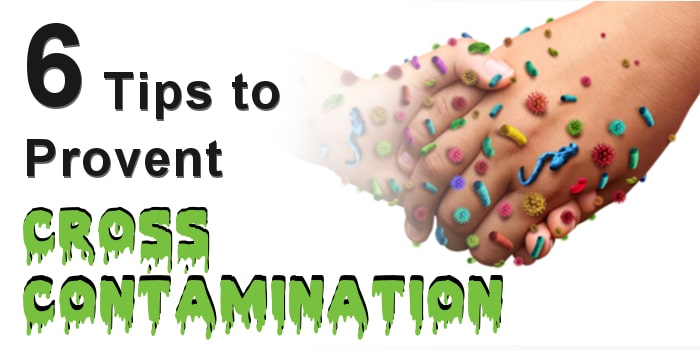
Awareness of cross contamination has grown over the last few years and it is so important that people are aware of it. Cross contamination can have severe consequences and should be given the attention it deserves; especially in food prep or medical environments.
Cross contamination happens simply if someone or something carries germs or bacteria from one place to another. Commonly people think of this when preparing meat at home but it can happen in lots of other places as well. If you are a doctor or nurse in a hospital, one of the most important things you will do is to clean and sanitise your hands when leaving or entering different rooms so that you don’t introduce one person’s germs to another.
We've put together a list of the most effective ways to prevent cross-contamination, whether at home or in your workplace.
How to prevent cross contamination:
-
Colour Coding.
This is one of the easiest and most effective ways to prevent cross contamination. Most cleaning equipment can now be purchased in a variety of different colours for cleaning your different areas. Most places will work on a four colour system, however, there is still no legally standardised system so this can vary from place to place. The most common system you will find is;
- Red – Washroom and bathroom floors and sanitary areas (toilets).
- Green – Food prep, kitchens and bars.
- Blue – General low risk areas.
- Yellow – Washroom/bathroom surfaces and basins/sinks (the NHS will tend to use Yellow for cleaning clinical and hazardous areas)
-
Hand Sanitisers and Soap Systems.
This one is massively important; you can do everything right by colour coding and keeping all your equipment separate, however if you don’t clean your hands you are going to spread germs anyway. If you are in a food prep area; a medical environment; or, find you are going to and from contaminated areas (nursing homes, toilets) you need to be doing this. There are lots of options when it comes to cleaning hands. Wipes and sanitisers tend to be a more mobile option and soap systems are a more permanent solution, commonly found in kitchens, medical environments and of course bathrooms as well.
-
VDU Wipes.
One place that people don’t always think of as somewhere that can be a risk is a desk, in particular the keyboard and phones. Computers and phones are something that often get missed in a cleaning routine but they are really important to do. Lots of office environments will have split shifts or shared workstations and you don’t always know who has been there before you.
-
Cleaning Machine Brushes and Pads.
Scrubber Dryers will give you a higher level of cleaning than more traditional methods like mopping and sweeping. That said, however, there is still a risk of cross contamination when using them, be it less. A lot of places will have different brushes or pads for the various areas. You don’t want to be cleaning the floor of your kitchen with the same pad you used in the toilet. It is also worth bearing in mind that some brushes and pads are not always easy to change quickly so it is worth looking in to when you are thinking about purchasing a new machine.
-
Sanitiser Sprays and Wipes.
All of your sides and surfaces need to regularly wiped down and sanitised. As with hand sanitisers and washing your hands, if you’re not cleaning your surfaces you will be spreading germs. Sanitisers these days are fantastic and will often boast 99.9% of germs will be killed. The truth is they are probably even better than that, killing 100%. The 0.1% tolerance is to allow for the machines we use to test these chemicals not for the cleaning chemicals themselves.
-
Disposable Cleaning Products.
There are lots of disposable cleaning products available nowadays, a lot of which also come colour coded for additional confidence. You can get microfiber cloths; mops; paper products such as couch rolls; gloves; masks; and the list goes on… These are brilliant because you throw them away after use and you know they won’t be used in any other environment, guaranteeing that they won’t be the cause of germs leaving that area.
There you have it, 6 sure-fire ways to prevent cross contamination in a variety of different environments.


